Grass Ceiling is growing thicker
The stats are getting worse for women coaching rugby.
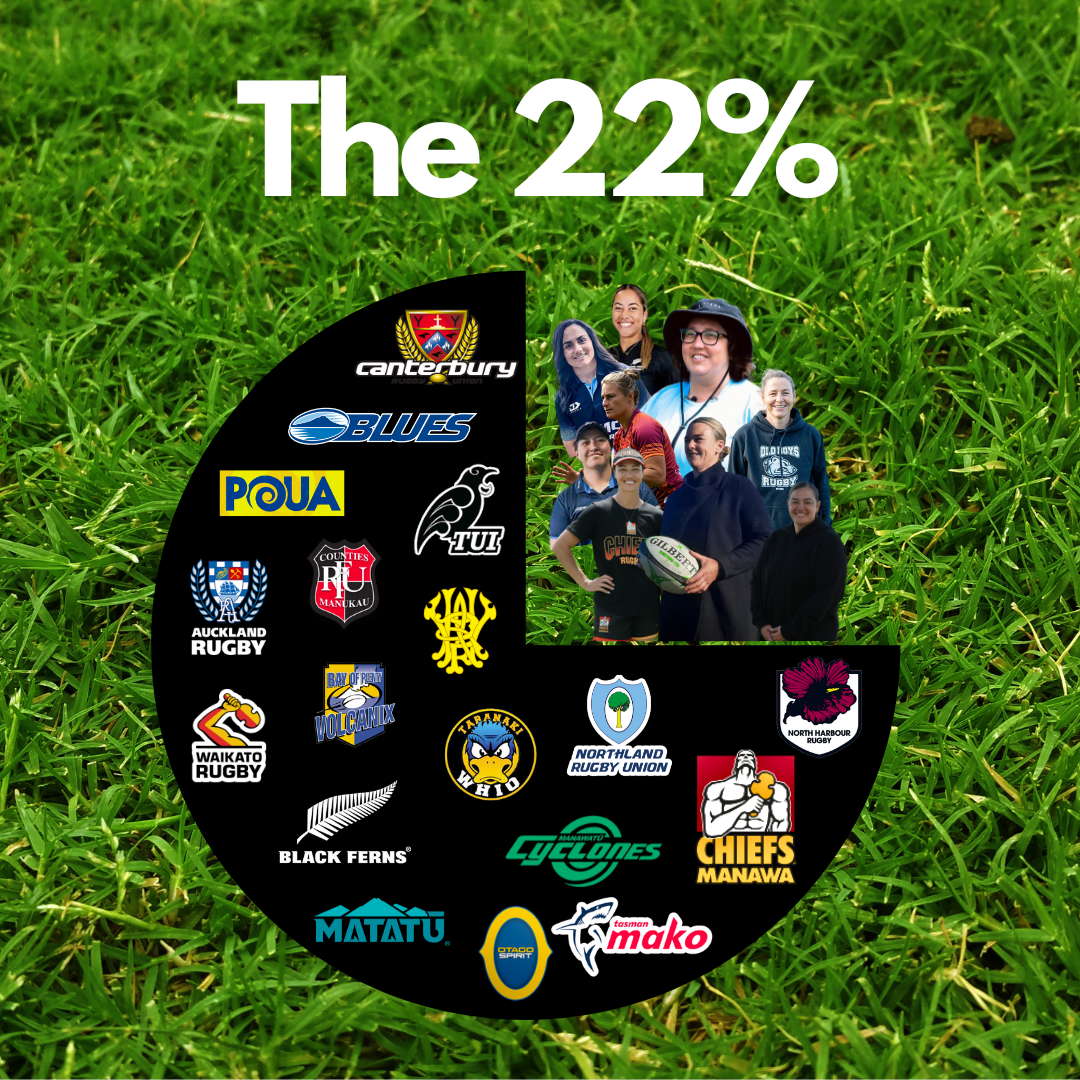
We are now well into 2026 so I thought it was time to update an old spreadsheet. I've been keeping tabs on women in high performance coaching since 2021. By that I mean, any woman named in a coaching team in the Farah Palmer Cup, Super Rugby Aupiki or the Black Ferns. She gets added to my list and then I keep an eye on her progress or lack thereof.
I have not included any development teams in these lists. This is because these roles are usually only attached to a very short assembly period and a couple of matches. So they represent more of a nod from the powers that be than a proper placement. Perhaps only worth noting that they nodded less at women in 2025 with their head coach placements.
The good news is, it's actually gotten easier for me to monitor this overtime. It used to be that I had to trawl through social media accounts and websites to find coaching announcements that were few and far between. These days, the machine is operating better and New Zealand Rugby actually provides me with media guides which lists coaches as well as the full squad, even for the FPC.
The bad news is, that's about the only positive movement I've seen in this space in the last 12 months.
There were both fewer roles across the pathway last year and fewer women holding them. But before I get right into the nitty-gritty let me lay out the fast facts, ✨info graphic style✨.
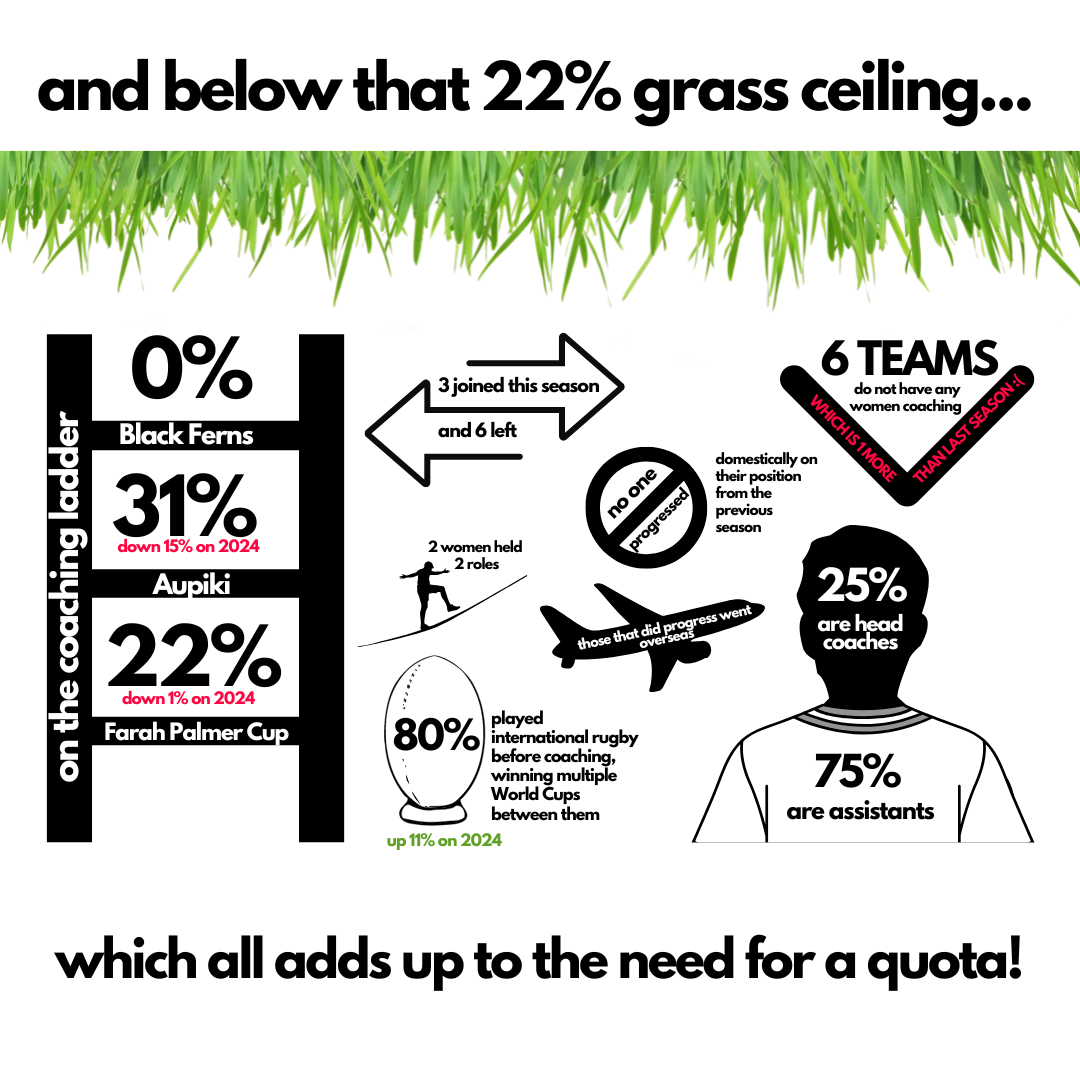
This stack of statistics represent the journey of the 10 women in the pipeline this year. Of those 10 women, both Emma Jensen and Carla Hohepa wore two hats. Named as both assistant coaches for Aupiki and for their home provinces in the FPC.
It's interesting that they haven't head coach placement within the system with that experience. But then again, perhaps it isn't because last year only three women lead their coaching teams. They were Whitney Hansen at Matatū, Janna Vaughan at Northland Kauri and La Toya Mason at Tasman Mako.
I think it's worth noting three things here:
- This wasn't the first season for any of them, so we saw no new women become head coaches domestically last year.
- There are no women head coaches in the FPC Premiership, the competition's top division.
- Three women I've been tracking did take head coaching roles in 2025. They just did this overseas. Crystal Kaua took charge of the Brazilian women's sevens team and then THEY BEAT AUSTRALIA!!! Hannah Stolba was put in charge of the Bay Breakers in USA's inaugural season of the WER. Linda Itunu is now in Japan where she's the head coach for Hirosaki.
There are 18 teams across FPC, Aupiki and Black Ferns and by my count there were 54 roles available across these teams. Women held just 22% of these positions and as I've outlined here, this was primarily as assistants.
What's interesting is these women have more impressive playing CVs than ever. With 80% of those coaching in 2025 having played internationally, that's an 11% jump on 2024. Whereas for men, this type of experience drops you straight into Aupiki set ups, women are primarily grinding it out in the Farah Palmer Cup.
Where does this commitment get them? Well, looking across the last five years not very far. There's been 33 women added to my spreadsheet during this period. 11 of these women are "one and done", appearing as an assistant in the Farah Palmer Cup for one season and then not returning.
We are turning over women coaches faster than we can replace them. Three women debuted on my coaching sheet this year and six didn't return. Of that six, five were Farah Palmer Cup assistants. Of that five, three had done multiple years as an assistant.
For those that were still active, three coaches have currently stalled in their progress. Having held the same role for more than three seasons. I have four more on my watchlist for 2026 to see whether they are able to ascend.
All this tells me that women are doing the "right things" as far as putting their applications in, stepping up for their teams but are finding the system is not supporting their development. Telling that there's as many head coaches on this list that are overseas as there is domestic. It's not a skill issue but an opportunity one.
This worries me as we have also seen the number of teams without a single women in their coaching set up increase again. This continues a terrible trend across our high performance pathway. 3 teams in 2023 has no women coaches, this jumped to 5 in 2024 and now sits at 6 in 2025.
All of this leads me to say what I've already been saying. We need targeted intervention within our system if we want to see this change.
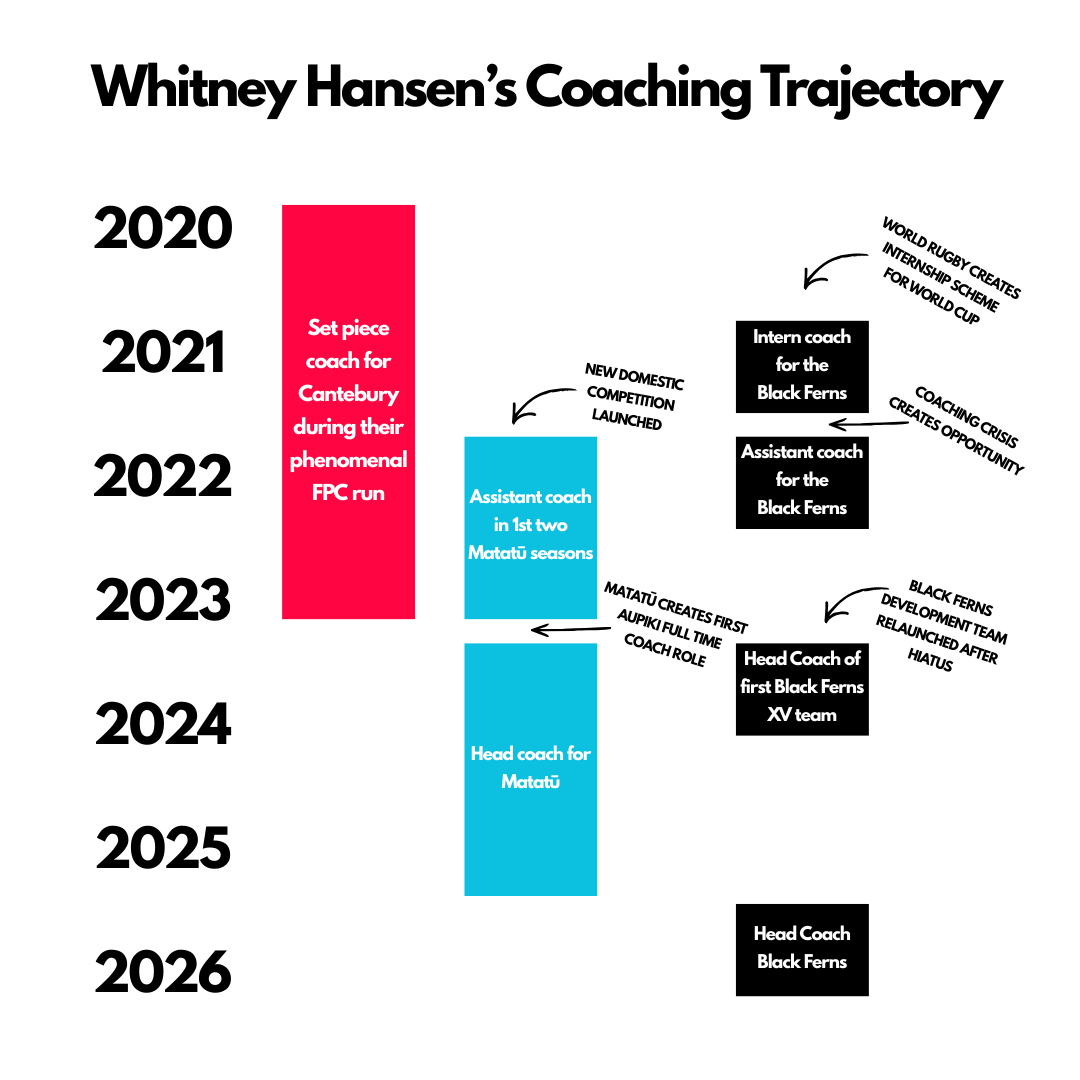
The best news story for women in coaching in Aotearoa in 2025 was the announcement of Whitney Hansen as the new Black Ferns head coach. A coach who had committed herself to developing within the women's game was able to ascend to our countries highest position.
If you look at what I've mapped out above you see that her story is a case of talent being met with opportunity. Through the creation of internship schemes, invention of new leagues, the reboot of development pathways and a good ol' crisis-tunity.
If there's one thing to understand about me, it's this — I won't be satisfied until all talent has the same shot at opportunity. Targeted intervention works. So New Zealand Rugby, pick your targets and get to work. I have a list of coaches ready when you are.
With you,
Alice